Mike and I had been planning this trip for months. The idea was simple: meet up with TJ (who lives in Ukraine) and explore Poland and Ukraine together. Was I concerned about traveling to Ukraine during the war? Sure. I’d watched the news. I’d read the headlines. But something in me needed to go, to witness firsthand what I couldn’t possibly understand from a screen in Colorado Springs. TJ met us in Warsaw, and the three of us set out on our memorable adventure.
Wednesday–Thursday: The Long Haul
Twenty hours of travel on a red-eye—and I’m being generous with the math. A nice flight across the ocean was immediately undercut by Charles de Gaulle Airport in Paris, which I will henceforth avoid at all costs. Customs was chaos. Then after walking about 3 miles to get to our gate, we got stuck on a sweltering tarmac for nearly two hours because of “computer issues,” then had to disembark, get on another plane, and try again. The whole place was crowded, hot, and disorganized in a way that makes you question humanity’s ability to move people efficiently.
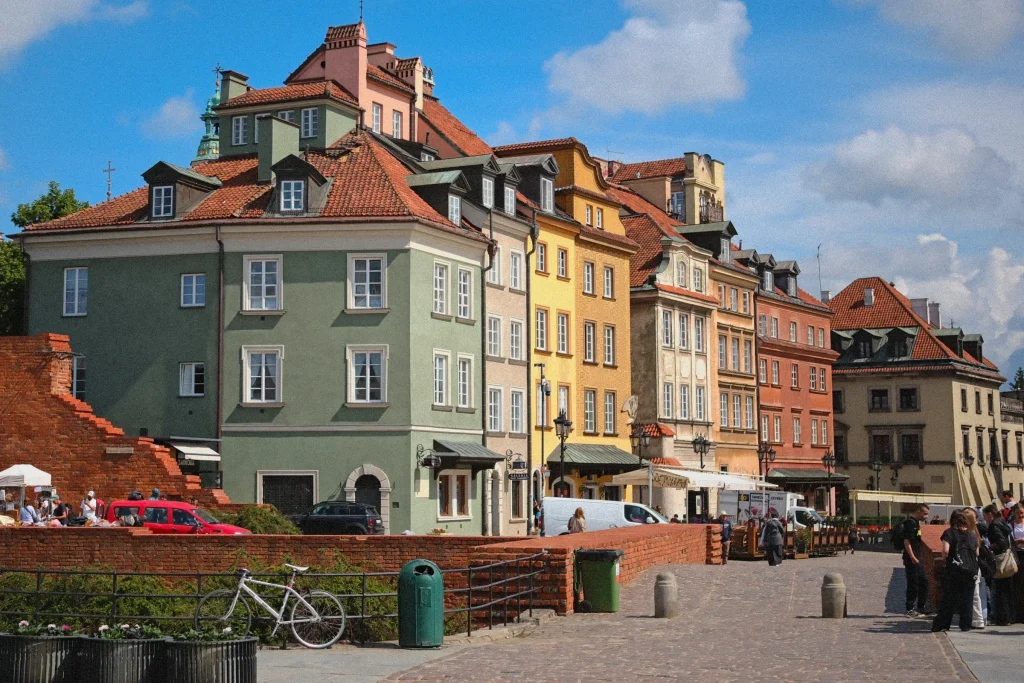
Warsaw’s airport, by contrast, was a breeze. TJ met us at arrivals, we grabbed an Uber to Old Town, and suddenly we were walking through narrow cobblestone streets just as the sun was setting—casting this gorgeous golden light across the old-style architecture. We found a traditional Polish restaurant, enjoyed a delicious Polish dinner, and collapsed into bed.
Friday: Warsaw Wandering
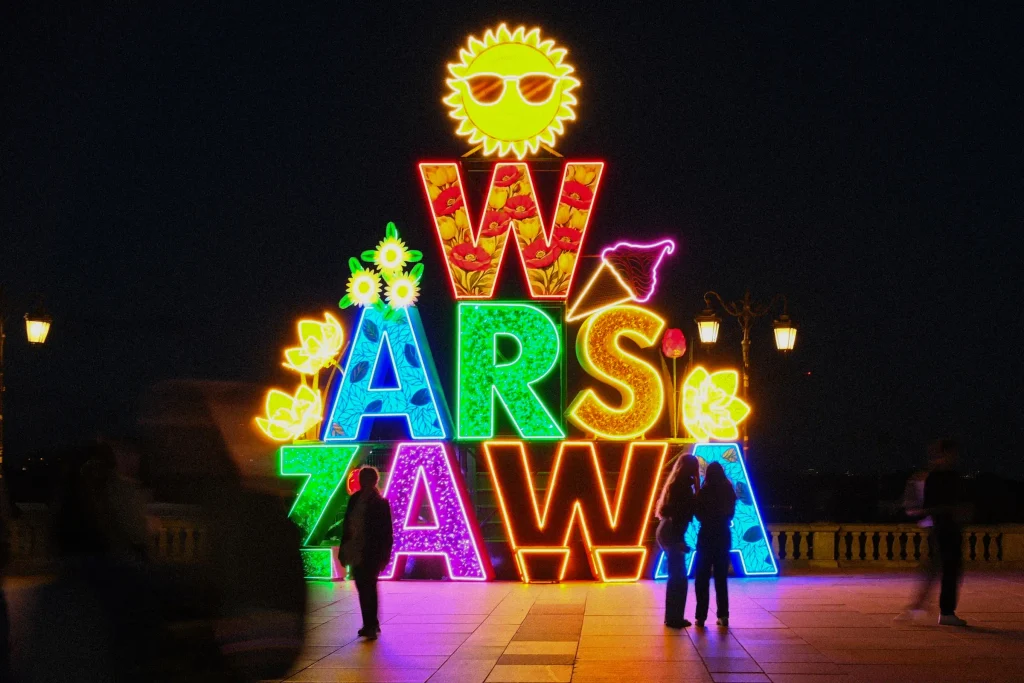
We spent the morning wandering Old Town and admiring the architecture, and then—somehow—had a delightful breakfast at a fancy hotel for FREE! (There’s a longer explanation there that deserves its own footnote, but let’s just say sometimes luck breaks your way.) We grabbed our bags and headed to the train station to stash them in a locker, then spent the afternoon walking around downtown and taking in the views from the Cultural and Science Building.
By then, I’d stopped at enough cafes to down several coffees, and yet somehow I still managed to completely pass out in a chair at the last one. Really hammered home that 20 hours of travel and jet lag had fully caught up with me.
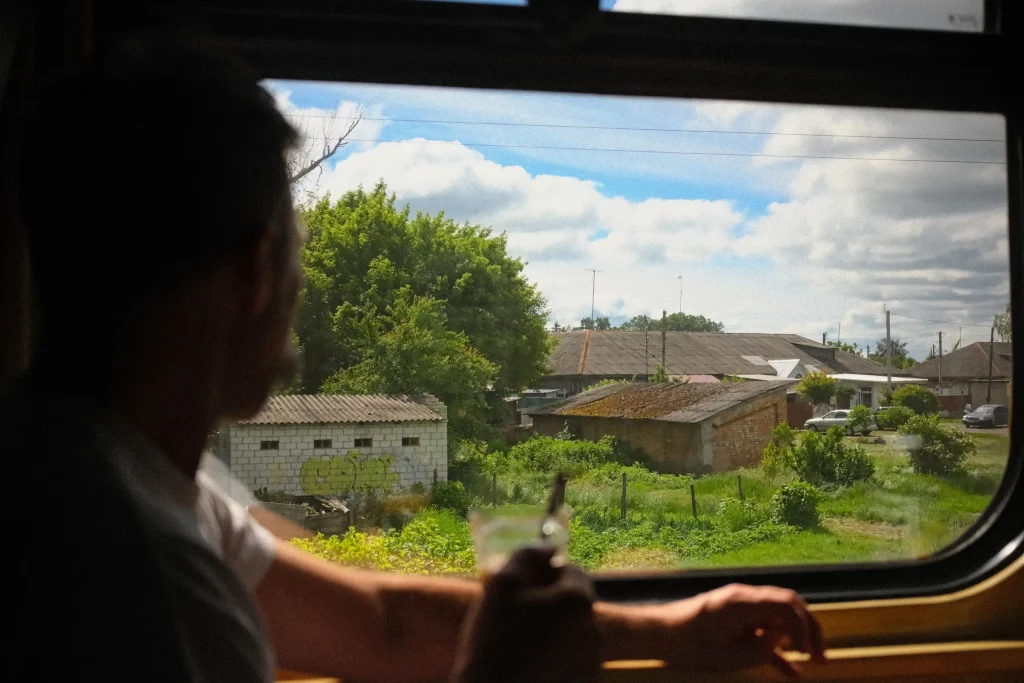
That evening, we packed snacks like we were preparing for a siege and boarded an overnight train to Kyiv. The ride took about 15 hours. Mike and I attempted to sleep through most of it; we weren’t very successful.
Saturday: Welcome to Kyiv
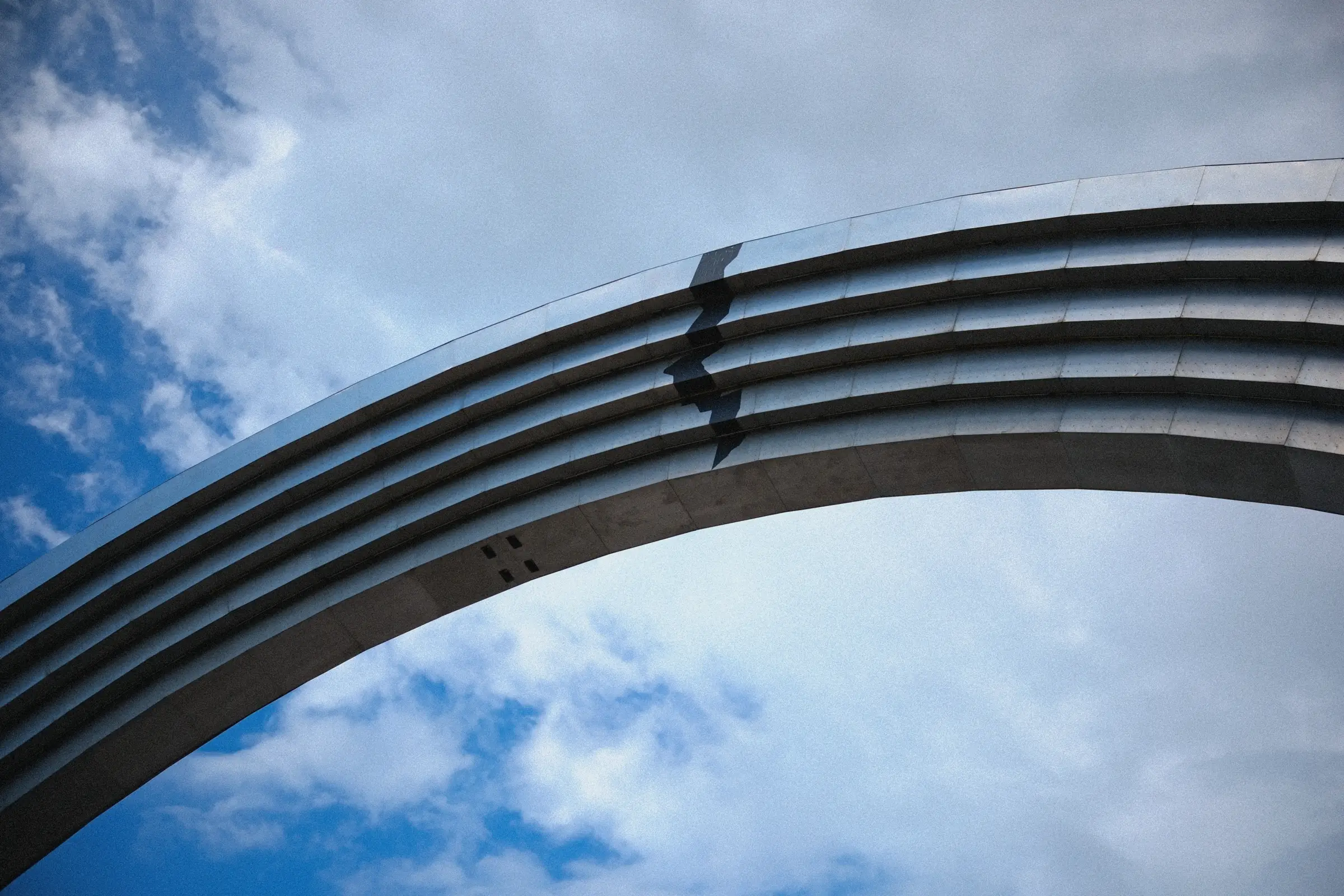
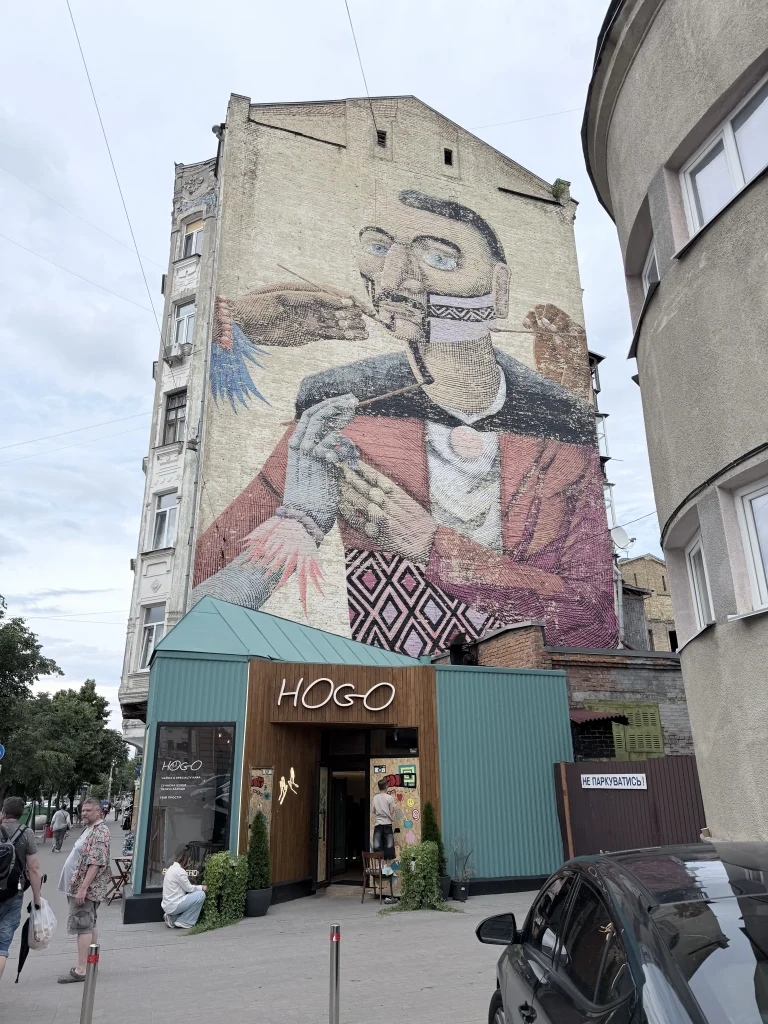
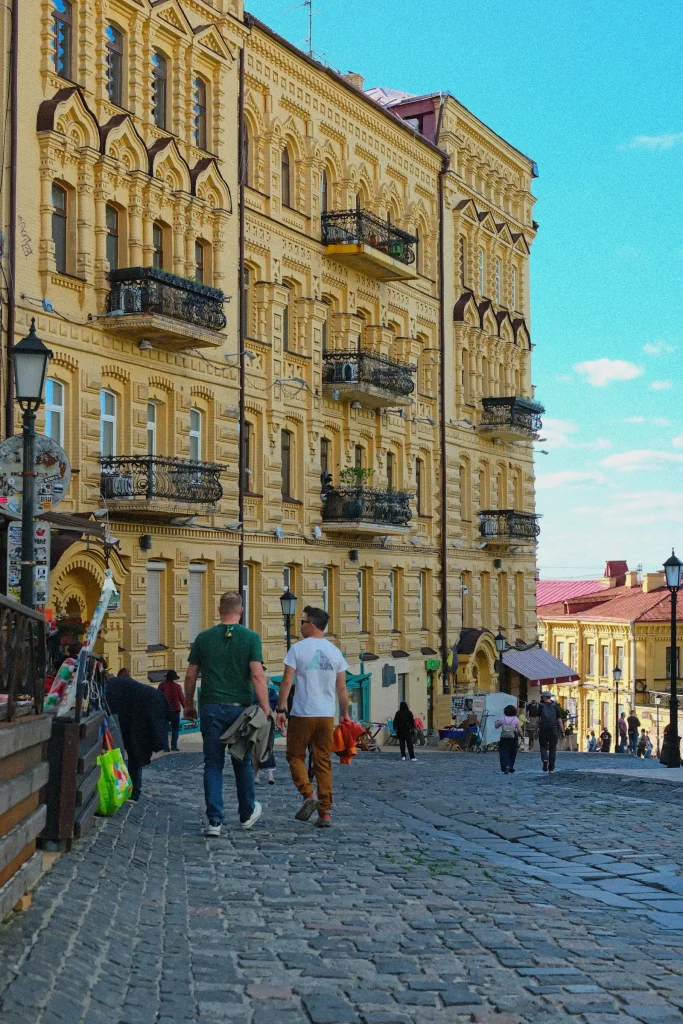
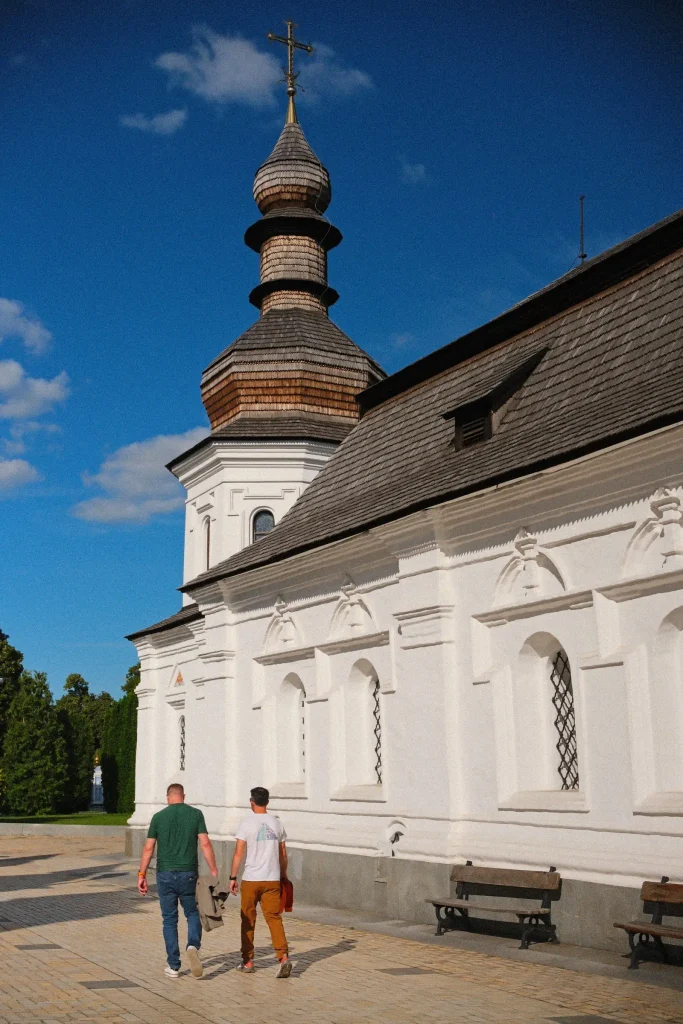
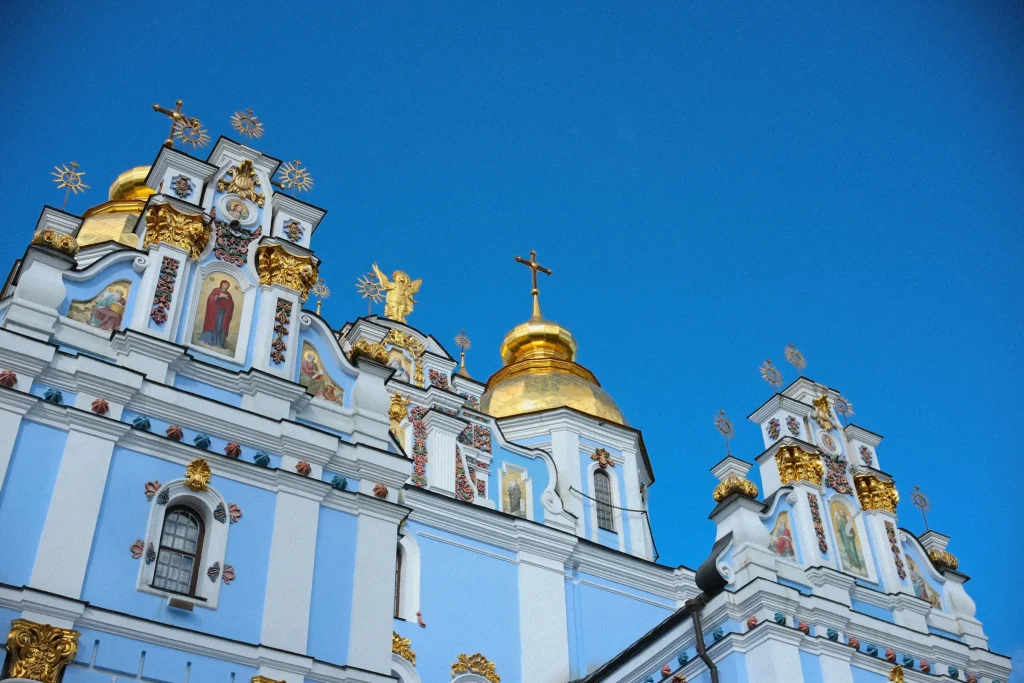
After a night of mediocre (at best) sleep on the train, we woke up and packed our things as we pulled into the train station in Kyiv. We got an Uber to TJ’s apartment, freshened up, and headed out for some sightseeing. Kyiv is a beautiful city with interesting architecture and history. I really loved the vibe in the Podil district—a historic yet bohemian neighborhood defined by colorful architecture, cozy coffee shops, and unique character.
Mike had heard about Hogo, a brand-new coffee shop in the Podil district. Owners Yevhen Prusak and Olena Saienko had spent a year building it, and a Russian missile strike hit the city right after their grand opening, blowing out the windows and badly damaging the space. The coffee machine survived. They reopened the next day anyway and handed out free coffee and khachapuri through the broken windows to emergency responders, volunteers, and neighbors clearing rubble nearby. We made it a point to find the shop and buy a coffee. After everything we’d watched and read on a screen from Colorado Springs, it was the one small thing we could do in person to say we stand with Ukraine.¹
Sunday: Air Raid Sirens in Kyiv
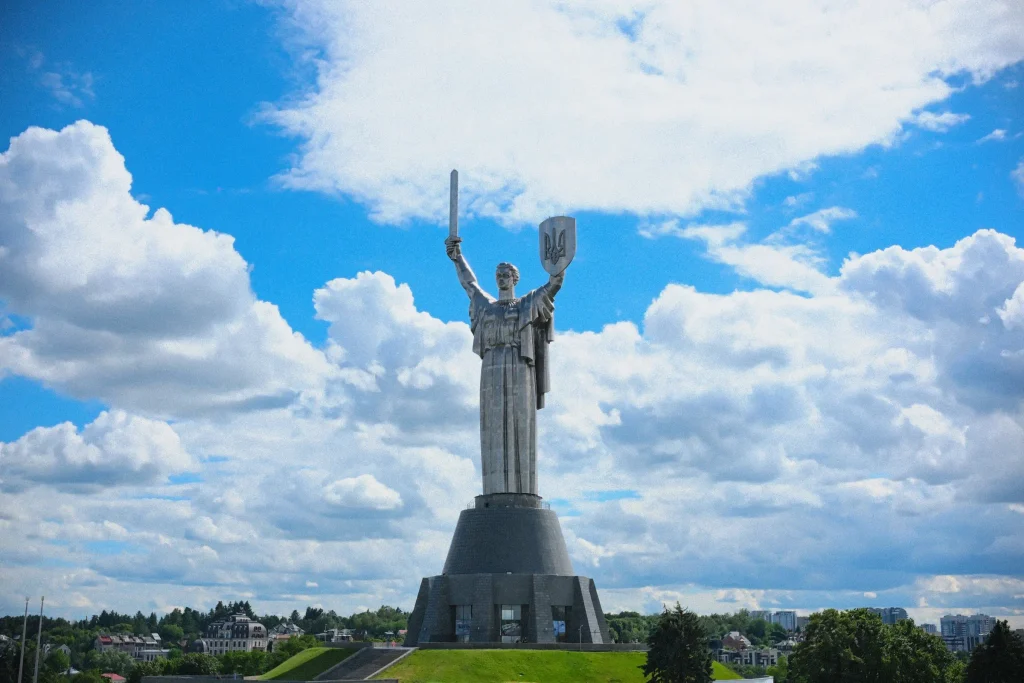
That day we visited the Museum of the Formation of the Ukrainian Nation. One of the exhibits was full of testimonies from people—Ukrainians and foreigners alike—who came to fight for their country. The selflessness of it was staggering. We’d also walked through Independence Square and saw the makeshift memorial featuring thousands of national flags honoring soldiers, volunteers, and civilians killed in the Russia-Ukraine war. The weight of it all was real.
An air raid siren went off around dinner time. My gut twisted. This wasn’t a drill or a test—this was the new “normal” of life in Kyiv. We were at TJ’s apartment, watching TV. We paused for a moment and TJ checked his app. Sure enough, there were messages about incoming ordnance. The nerve-racking part is that you know shit is about to get real, but you have no idea when it’s all going to go down, so we went back to watching TV. Around 1 a.m., the explosions started. Loud. Close. The kind of sound that wakes your entire nervous system at once.
We ran to the balcony to see a bright flash of impact—a missile was intercepted in the sky above our heads. More explosions in the distance. Then a lull, maybe 20–30 minutes of almost-quiet that felt impossibly long. Then more strikes. Then another lull from about 2 to 3:40 a.m., followed by more strikes.
Mike saw a cloud of smoke appear on the horizon only a couple of miles away and filmed as another munition hit the same area twice more. The building erupted in fire. I was shaking like a leaf.
It’s a type of fear I’ve never felt before. Not abstract, not imagined. Real. Immediate. The sound of missiles being intercepted, the flash of impact, the smoke—none of that calculates the same in your body as it does in your mind when you’re reading about it from home.
I was definitely the most concerned of the three of us (I’m certain this is why women live longer), so I convinced Mike and TJ to join me in the parking garage for extra protection. We spent about an hour down there talking about how crazy this all is and how we all, collectively, should be doing more to help. When things seemed to settle, we came back upstairs, but UAVs were still heading in our direction. Mike and I sat in the bathroom—extra walls between us and the sky—and I tried to stop shaking. Eventually we went back to bed. I lay there, struggling to fall asleep and waiting to hear another round of explosions, until I finally passed out from pure exhaustion.
I have no idea how these people live like this. I have no idea how Ukraine endures this night after night, year after year, and the world watches. That’s the thing that got to me more than the fear: the anger. The absolute bewilderment that this is normal for them now.
I wanted to come here to understand. To feel even a fraction of what these people feel. And I got it—got it in a way that no news report could ever deliver. The privilege of being born in the United States, of growing up in a country where air raid sirens aren’t part of my vocabulary, hit me hard. I’m grateful for it in a way I’ve never been grateful before.
Monday–Tuesday: After the Sirens
The next morning, Monday, life went on. People walked around Kyiv going to work, buying coffee, living their lives as if the city hadn’t been under attack just hours before. To them, it was normal. And that broke something in me—not the explosions or the probability of death, but the casual normality of survival.
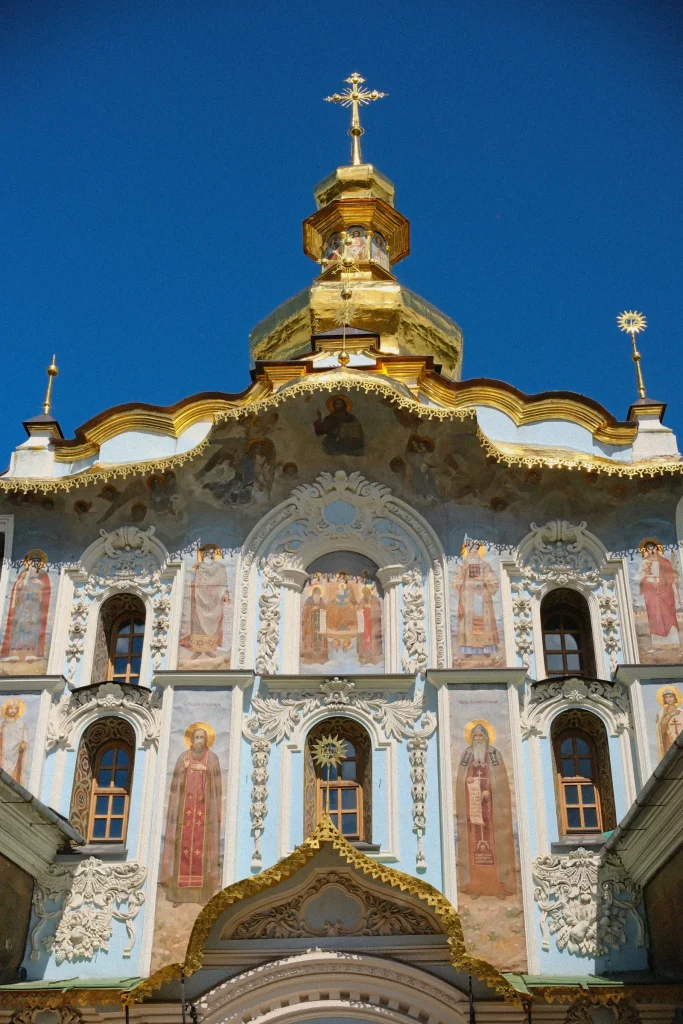
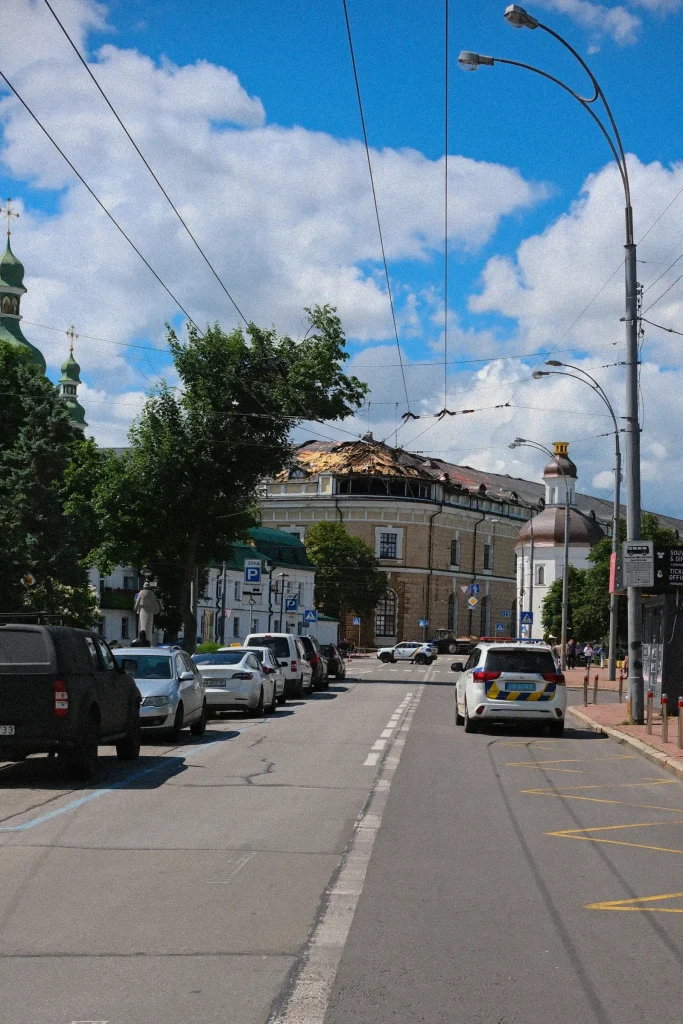
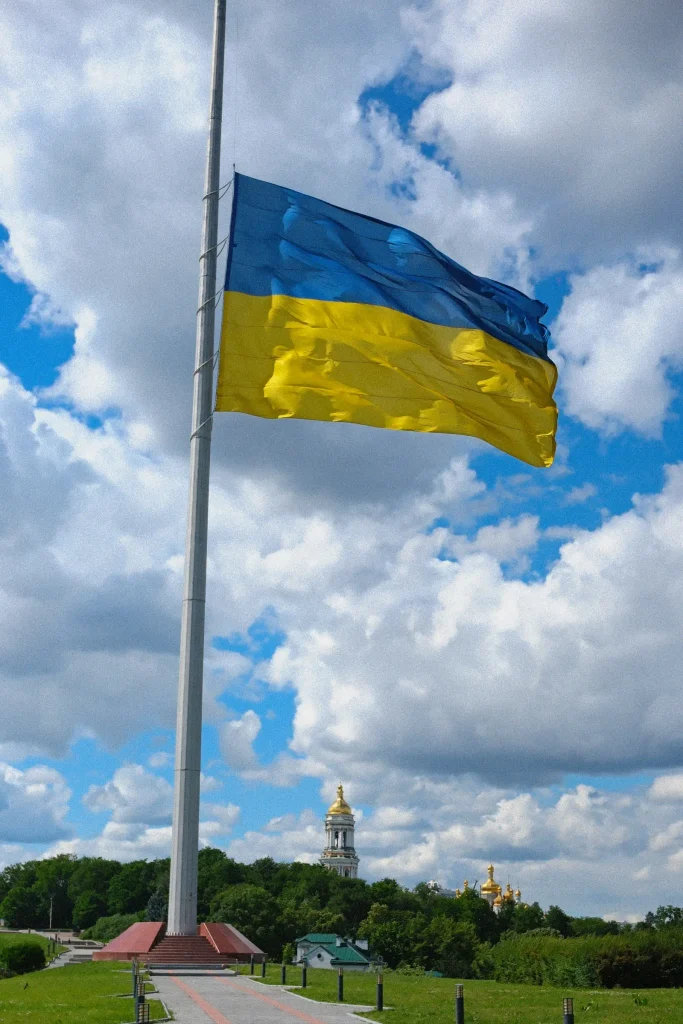
Mike and I went to the Pechersk Lavra area to see the damage. One of the buildings hit was the Dormition Cathedral, one of Ukraine’s most significant religious and cultural sites. Centuries of history, damaged in seconds.
The numbers after the dust settled: 5 people killed, 35 injured in Kyiv alone. The Ukrainian Air Force reported Russia launched six Zircon anti-ship missiles, 34 Iskander-M/S-400 ballistic missiles, 30 Kh-101/Iskander-K cruise missiles, and 611 attack drones. Ukraine’s air defenses shot down five Zircon missiles, 15 Iskander-M/S-400 ballistic missiles, all 30 Kh-101/Iskander-K cruise missiles, and 582 drones. Over 50 locations were struck in Kyiv.²
On Tuesday, Mike and I walked around Khreshchatyk Street, then boarded an overnight train to Krakow.
Four days in Ukraine. Four days to understand that the privilege I was born into isn’t lost on me, and never will be.
Wednesday–Monday: Krakow and the Way Home
We caught a train to Przemyśl early Wednesday morning, crossing back into Poland. TJ had ridden this route before and taught us the passport-control hack: line up before the train arrives, and when the doors open, move fast. It cut our wait time significantly. In the passport-control line, we met a woman named Oksana, a delightful Ukrainian who also ended up sharing a first-class cabin with us all the way to Krakow. Her stories about life in Kyiv, her travels, and the war grounded everything I’d just experienced into something larger and more human.
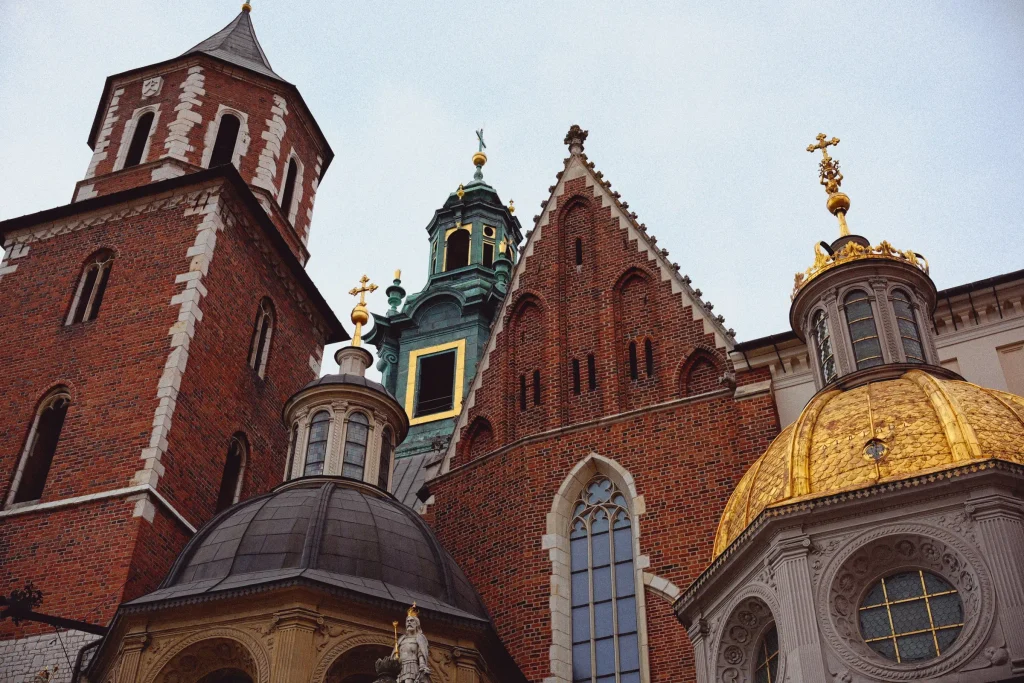
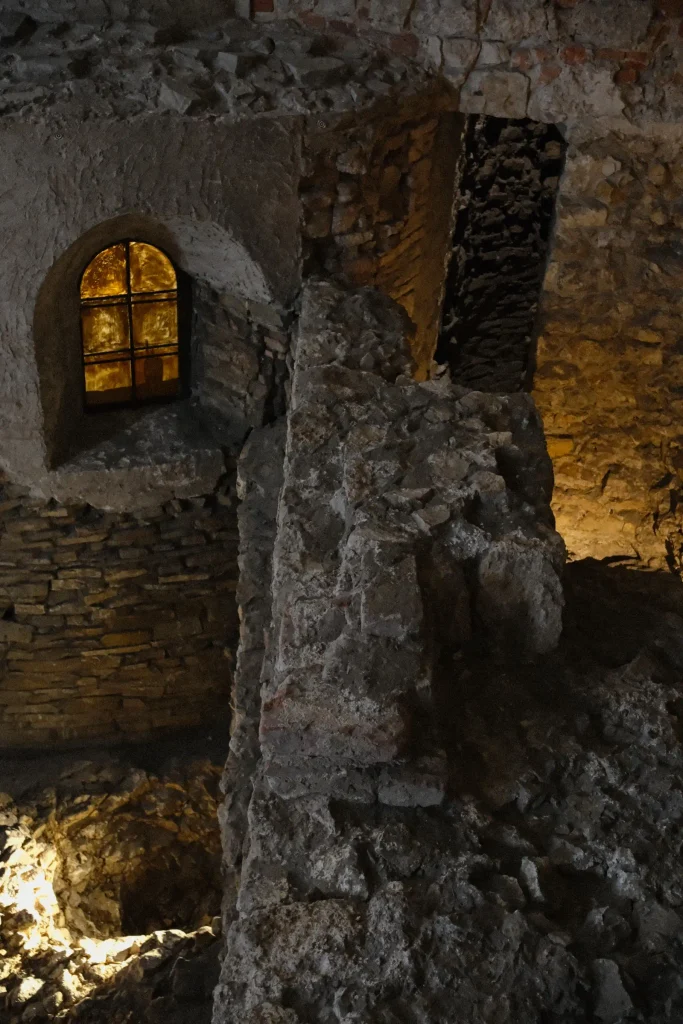
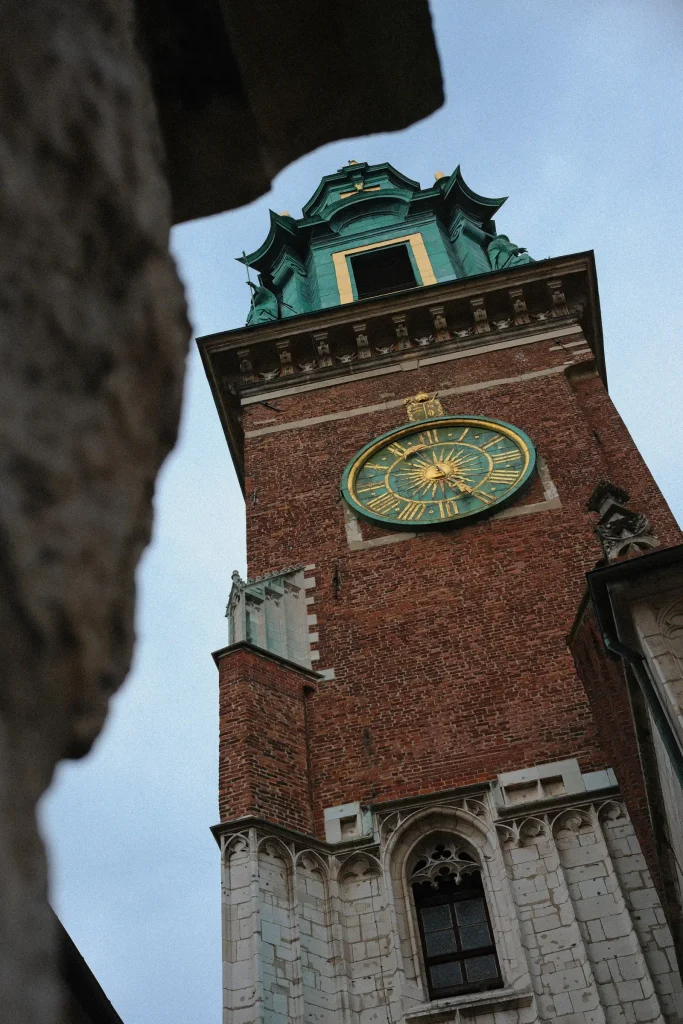
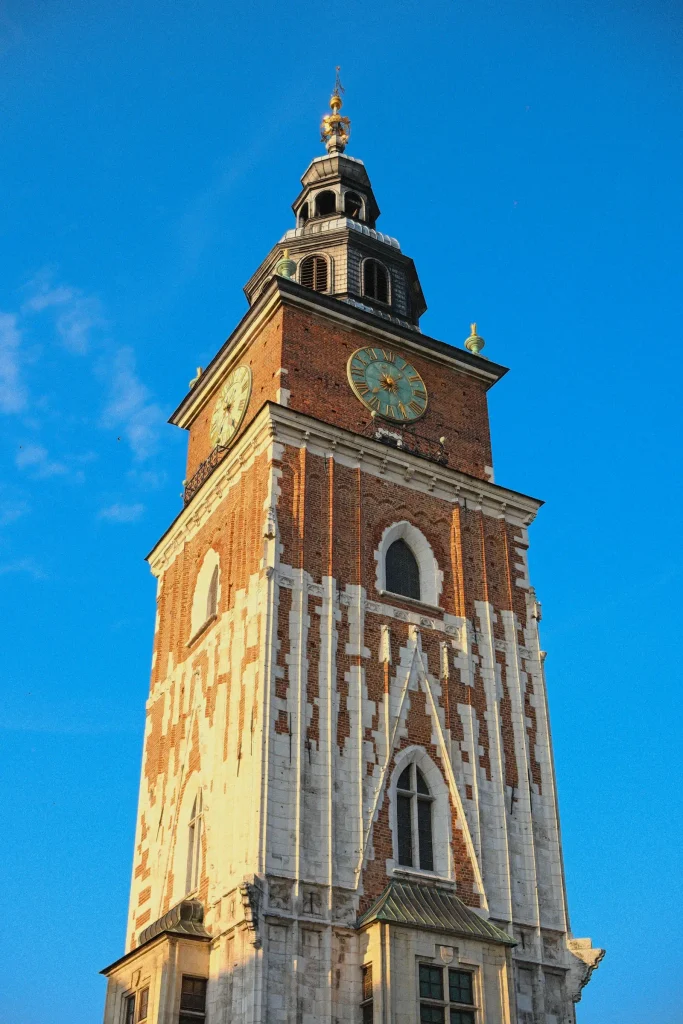
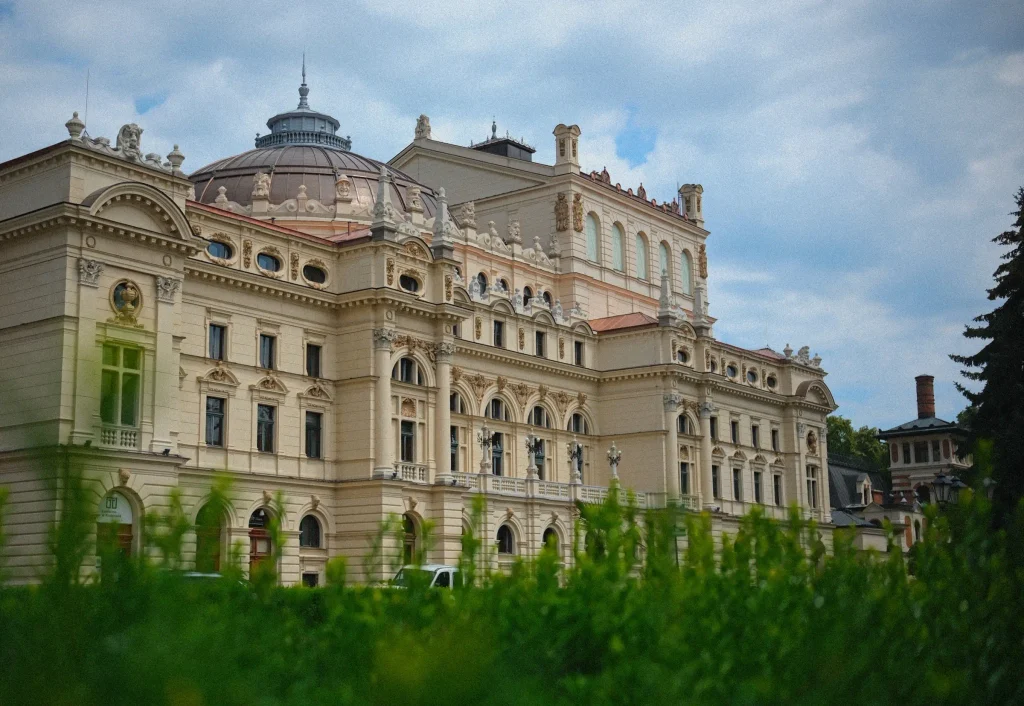
Once in Krakow, we toured the Old Town, had a nice dinner, and got some much-needed rest in the apartment we’d rented. The Old Town felt like stepping into a storybook—beautiful, European, full of cafes and architecture and the kind of atmosphere that made us want to linger. On Thursday we toured the second floor and underground architecture of Wawel Royal Castle; the history and architecture were fascinating.
On Friday, we joined a tour group for a ride out to Auschwitz-Birkenau and a tour of the site. I’m not going to try to describe that experience. It’s impossible. What I will say is that it was hard to believe it had happened, and that it was only 81 years ago. Standing there, after everything in Ukraine, the weight of history felt unbearable. These grounds are hallowed, and they demand that we face the truth of what was done here. If more people did, I believe there would be a lot less hate in the world.
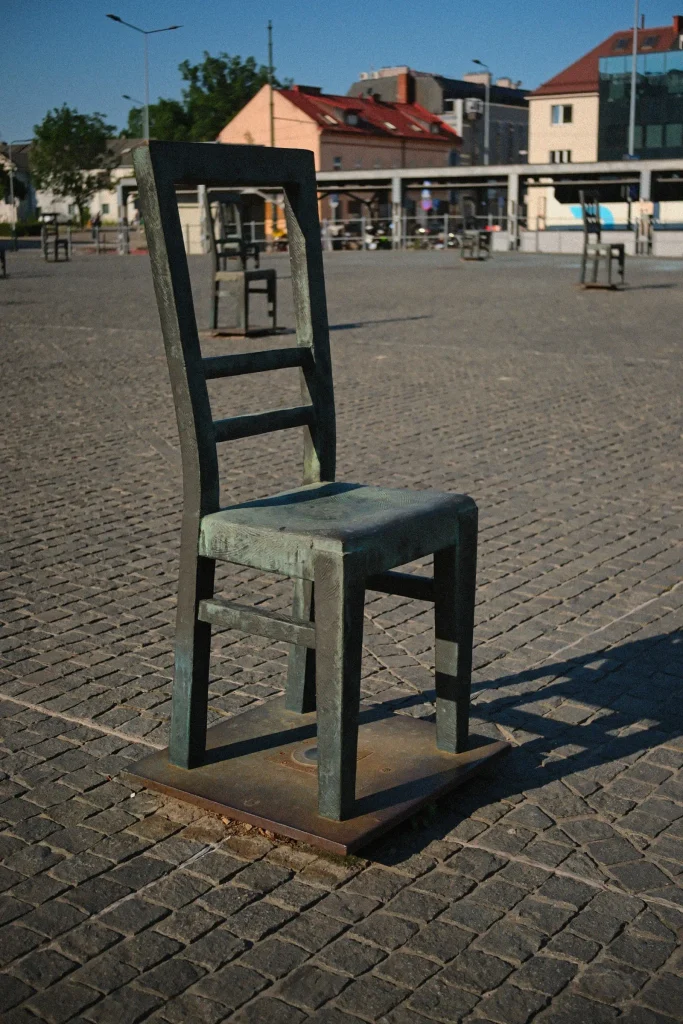
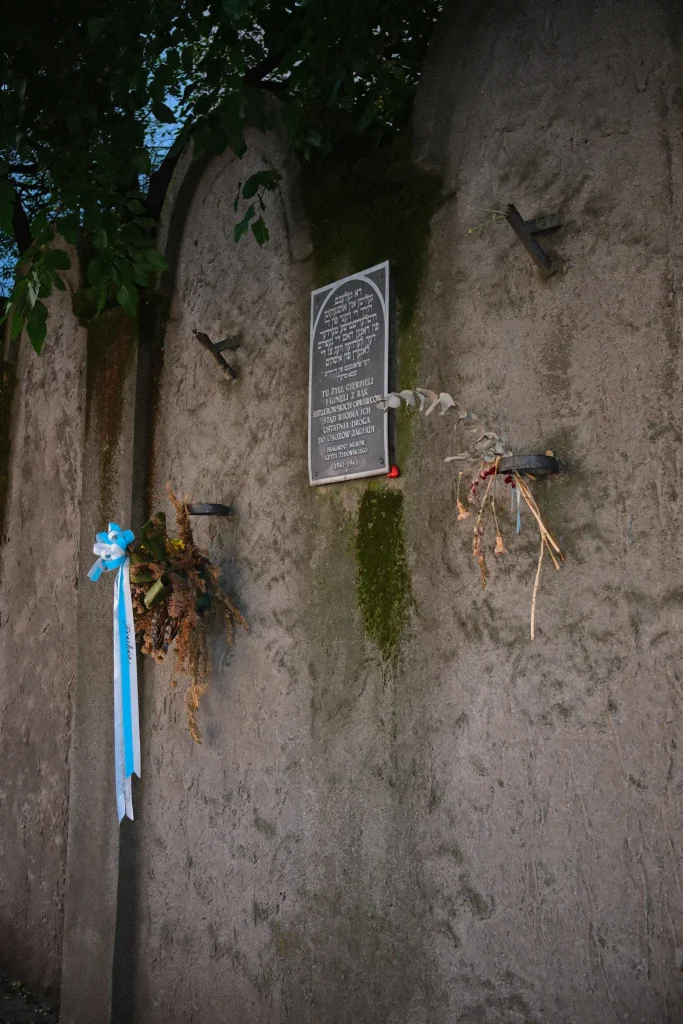
On Saturday, TJ left. Mike and I walked around the Kazimierz area and crossed the river to see the remains of the Jewish ghetto wall.
On Sunday, we had a yummy breakfast, packed up, and took the train back to Warsaw, where we had dinner at the hotel and slept in preparation for the long journey home. On Monday, we flew home—another layover in Paris, which was significantly less chaotic than the one on the way over (you redeemed yourself a little, Charles de Gaulle). We landed in Denver by 3:30 p.m. The trip home was uneventful, just how I like it.
Final Reflections
I came home changed. Not in the way I expected when I booked the flights. Not with a neat story about adventure and exploration, though there’s some of that too. I came home understanding, in a visceral way that no amount of reading could deliver, what it means to have been born safe.
The people of Ukraine are beautiful and resilient, and their strength as a nation is genuinely inspiring. They shouldn’t have to be. They shouldn’t have to normalize war. And the fact that they do, while much of the world watches from a distance, if at all, is something I can’t reconcile.
I’m grateful for what this trip taught me. I’m grateful Mike and I made it home safely (and that TJ is still safe). And I’m angry—deeply, persistently angry—at a world that allows this to continue.
Sometimes travel isn’t about snapping the perfect photo or finding the perfect hike. Sometimes it’s about understanding, in the most uncomfortable way possible, how lucky you are.
¹ Details about Hogo come from The Telegraph: How a bombed-out cafe became a symbol of hope in Kyiv (May 25, 2026).
² Many of the details about the strikes, including the casualty figures and the Ukrainian Air Force’s missile and drone counts, come from the Kyiv Independent: Kyiv’s historic Pechersk Lavra burns as large-scale Russian strikes kill 5, injure 35 in capital (June 15, 2026).