
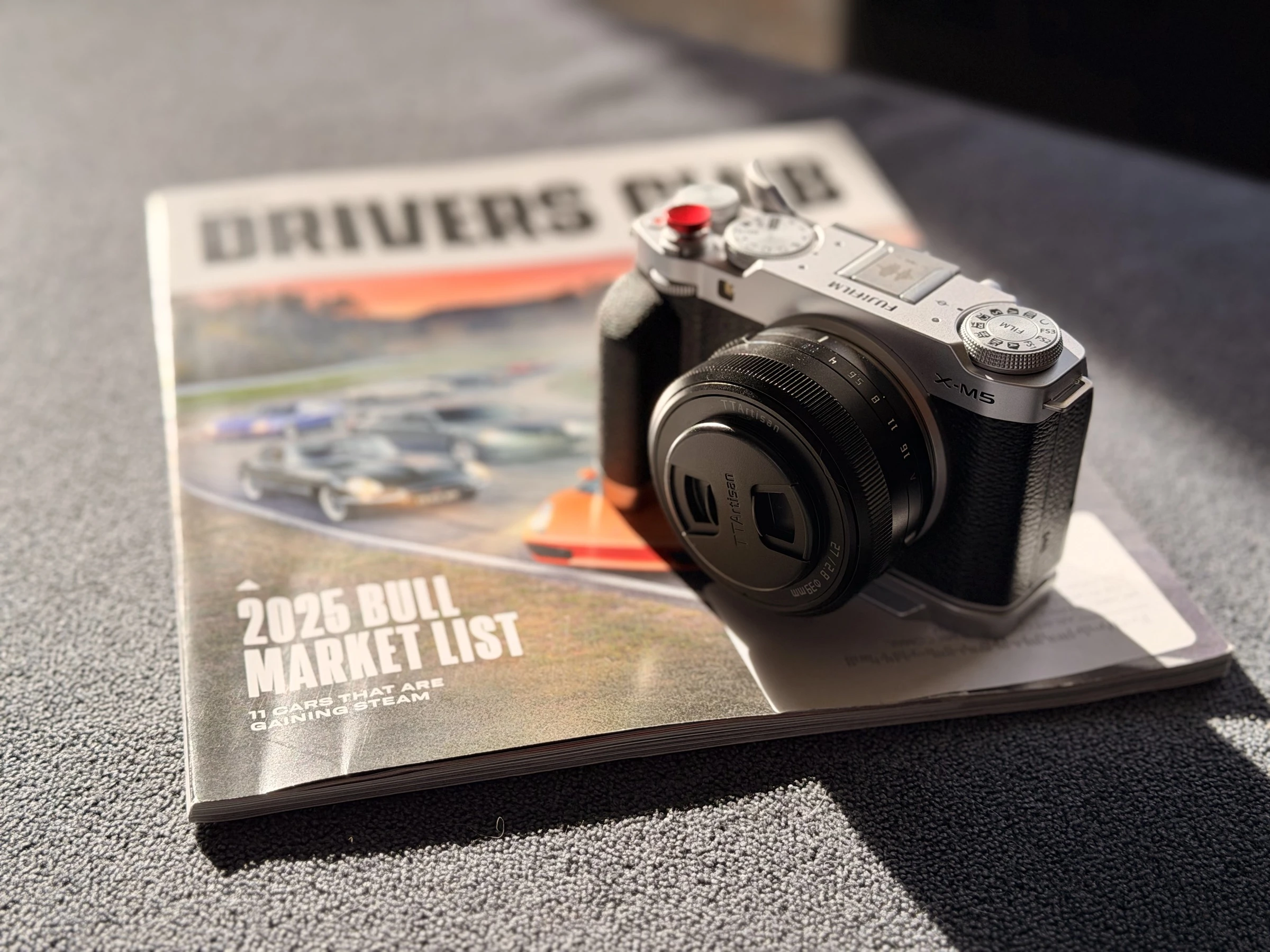
After years of lugging around my Canon 60D I finally pulled the trigger on the Fujifilm X-M5. And folks, this little camera is TINY. Like, fits-in-cargo-shorts tiny—if you wear cargo shorts… 🤨 😉
Why I Made the Switch
My beloved Canon 60D and its lenses were great for quality shots, but terrible for the combo that is my lungs + the thin air here in CO. It was just too heavy for me and my poorly operating lungs to even entertain the idea of hiking with it. Enter the Fujifilm X-M5—at a mere $899 for the body (or $999 with the kit lens), it promised everything I needed: small size, solid specs, and those gorgeous Fujifilm film simulations I’d been drooling over in Lightroom.
First Impressions: Wait, Where’s the Rest of It?
I’ve had the X-M5 since May, and I’m still amazed every time I pick it up. I watched review videos, I saw photos, but it wasn’t until I held this pocket-sized powerhouse that I truly appreciated how compact it is. The body itself is actually smaller than my iPhone 17 Pro Max footprint-wise (though obviously thicker and heavier). Seriously, Fujifilm managed to cram a 26.1MP X-Trans CMOS 4 sensor (the same one from the X-T4 and the beloved X100V) into a body that barely registers in my pack.
What I Absolutely Love
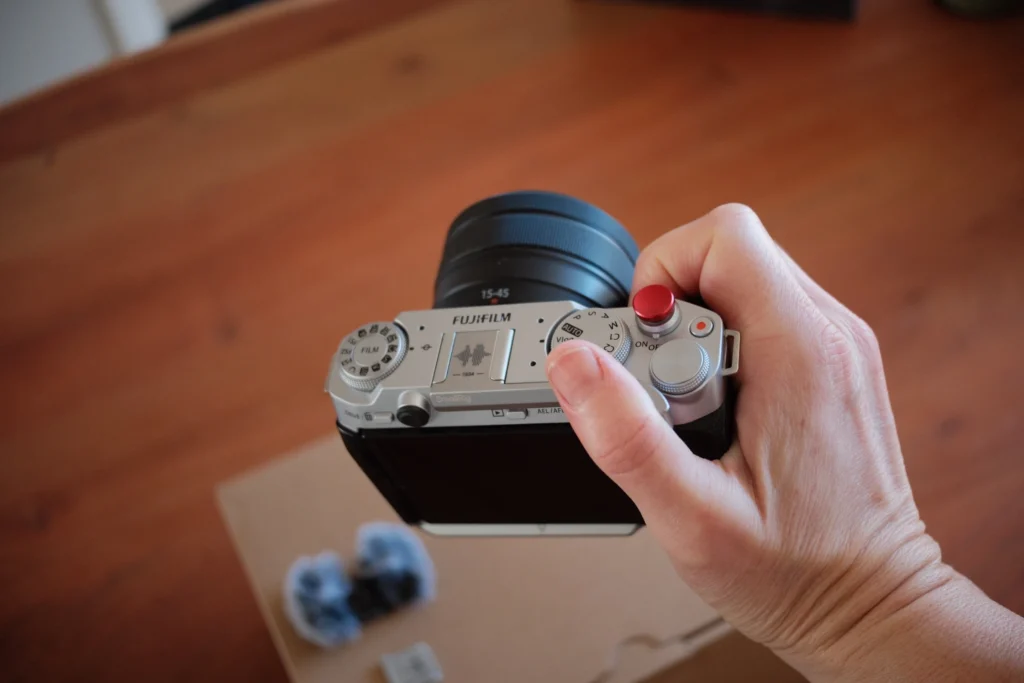
The Film Simulation Dial: This is my favorite feature, hands down. Having 20 film simulations right on a dedicated dial means I can instantly transform the look and feel of my shots without touching Lightroom later. One less step in post-processing? Yes, please! From the punchy colors of Velvia to the classic look of Classic Chrome.
The Size (Did I Mention It’s Small?): Whether I’m heading out for a local hike or planning my big trip to Europe next year, this camera doesn’t weigh me down or take up precious pack space. Even with a couple extra lenses, it’s infinitely more travel-friendly than my old setup.
Video Features: The X-M5 punches way above its weight class for video. It shoots 6.2K/30p 10-bit video and 4K/60p, which is pretty impressive for an entry-level camera. There’s even a Short Movie mode that records 15, 30, or 60-second clips in 9:16 vertical format—perfect for social media without having to turn the camera sideways. The three built-in microphones with directional options are a nice touch, too. I can’t say I noticed a huge difference between the Surround, Front Priority, Back Priority, and Front & Back Priority settings, but I haven’t done any in-depth testing on that.





The Learning Curve (aka Things That Made Me Go “Hmmm…”)
No Viewfinder: This was my biggest adjustment. I thought, “Hey, I’ve been shooting with my phone forever, no big deal!” But something about holding a traditional camera body makes me want to bring it up to my face. Old habits die hard, I guess. The good news? The LCD visibility issues in bright light that others have complained about hasn’t really bothered me.
No IBIS: Here’s the thing—the lack of in-body image stabilization makes those amazing video features feel… less amazing. If you’re planning to shoot handheld video while walking around, you’ll definitely notice some shake. The camera has digital image stabilization, but it crops your footage by 1.32x, which can be annoying. It also produces some wobbly-looking footage, which isn’t ideal. If you’re a vlogger or using this camera mostly for video, a gimbal is a must, and stabilized lenses are a bonus.
But before you get too bummed out, here’s the reality check: None of the cameras in this price range have IBIS. Not the Sony a6400, not the Canon EOS R10, not even the Nikon Z50 II. You’d have to jump up to something like the Fujifilm X-S20 or Canon EOS R7 to get that feature, and those cost significantly more.
Image Quality: Does It Deliver?
Short answer: Yep! The 26.1MP sensor captures plenty of detail for everyday shooting, and the AI-powered subject detection autofocus (borrowed from the fancier X100VI and X-T50) is pretty darn good. It was able to keep up with my crazy cat just fine! The camera handles up to ISO 6400 really well, and even ISO 12,800 is usable in a pinch, especially if you’re planning some post-processing work like denoising with AI in Lightroom.
Frequently Asked Questions
Is the Fujifilm X-M5 good for beginners? Absolutely! The interface is straightforward, and the Vlog mode makes video creation super intuitive. Plus, at $899, it’s priced right for someone stepping up from smartphone photography.
Can you add a viewfinder to the X-M5? There are a few optical viewfinder options, but no digital options that I’m aware of. If that’s a dealbreaker, check out the X-T30 II instead—it has one built in.
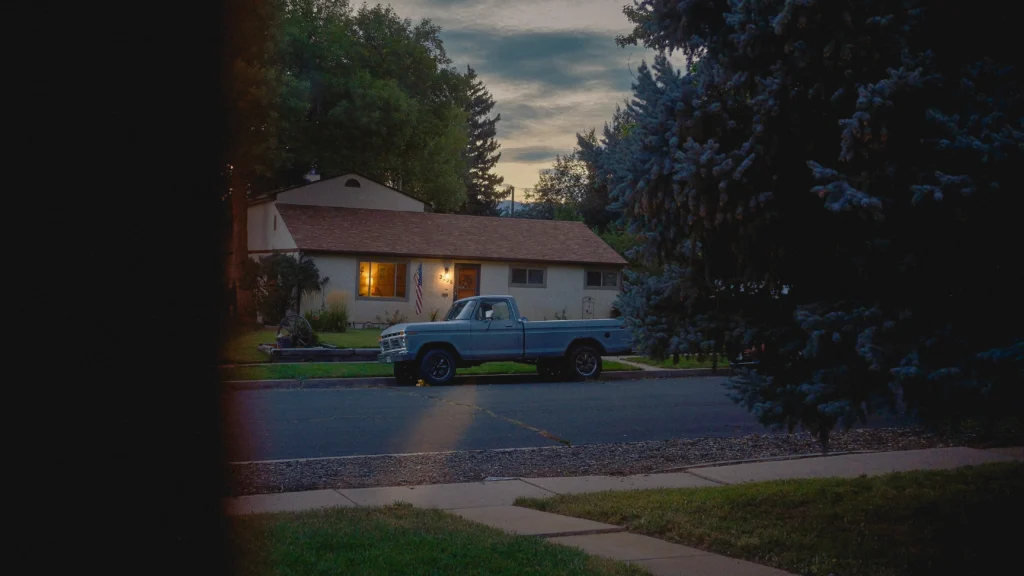
What lenses work best with the X-M5? The kit XC 15-45mm lens is decent for the price. I’ve been using the TTArtisan 27mm f/2.8 (affiliate link used) and absolutely love it—it’s sharp, compact, and ridiculously affordable. The last five images in this post were shot with the TTArtisan lens.The Fujifilm XF 27mm f/2.8 is also a popular choice if you want to stick with the brand. Since the camera is so small, pancake-style lenses make the most sense to maintain that compact profile.
How’s the battery life? Pretty good, actually. I can get through a day of casual shooting without worrying, though heavy video recording will drain it faster (as with any camera).
Helpful Tips for X-M5 Users
- Invest in stabilized lenses if you plan to shoot video handheld. Your footage will thank you.
- Grab a USB-C cable for fast file transfers—WiFi works but takes forever (we’re talking 11+ minutes for a 2-minute 4K video).
- If it feels a bit small in your hand, I HIGHLY recommend a combo of the SmallRig L-Shape Mount Plate with Silicone Handle and the SmallRig Thumb Grip (affiliate links used)
- Experiment with those film simulations! They’re half the fun of owning a Fujifilm.
The Bottom Line: Should You Buy It?
Here’s my advice: Make a pros and cons list and prioritize it. If you’re looking for a small, lightweight, relatively inexpensive camera that shoots solid video and takes great photos, the X-M5 is a strong contender. I love that it fits my active lifestyle without feeling like a burden, and the image quality is excellent for the price.
However, if not having a viewfinder or IBIS is a make-or-break deal for you, there are other options out there. The X-T30 III (which I’ve been eyeing) gives you a viewfinder and some other fun features at a similar price, but without the fully articulating LCD screen and a slightly larger size. If you can spend more, the X-T50 adds IBIS and more megapixels (40mp sensor), but no open gate and an even larger footprint and price tag.
For me? This little camera has already earned its place in my pack. It’s been on local hikes, captured everyday moments, and I’m excited to see what kind of memories it helps me create on my next big adventure.
Price: $899 (body only) / $999 (with XC 15-45mm lens)
Best for: Travel photographers, vloggers, content creators, and anyone upgrading from a smartphone
Not ideal for: Photographers who need a viewfinder, anyone shooting fast-moving sports without stabilized lenses